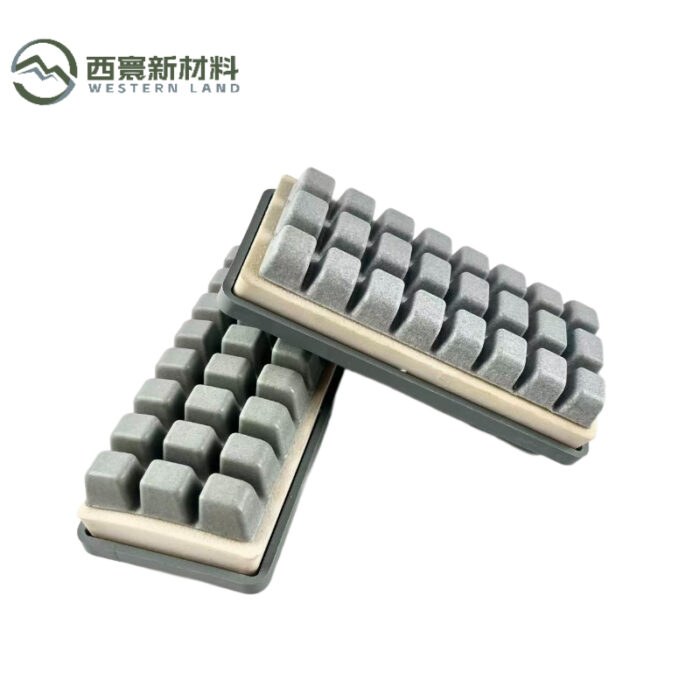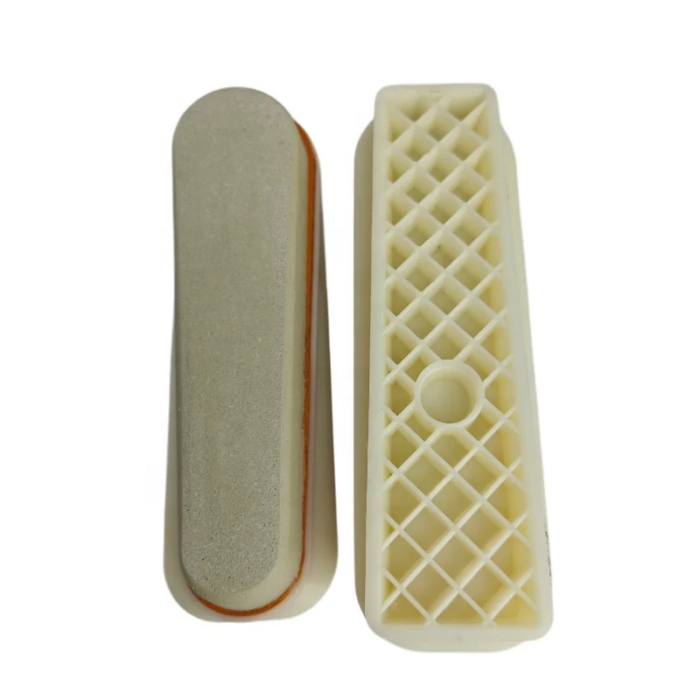
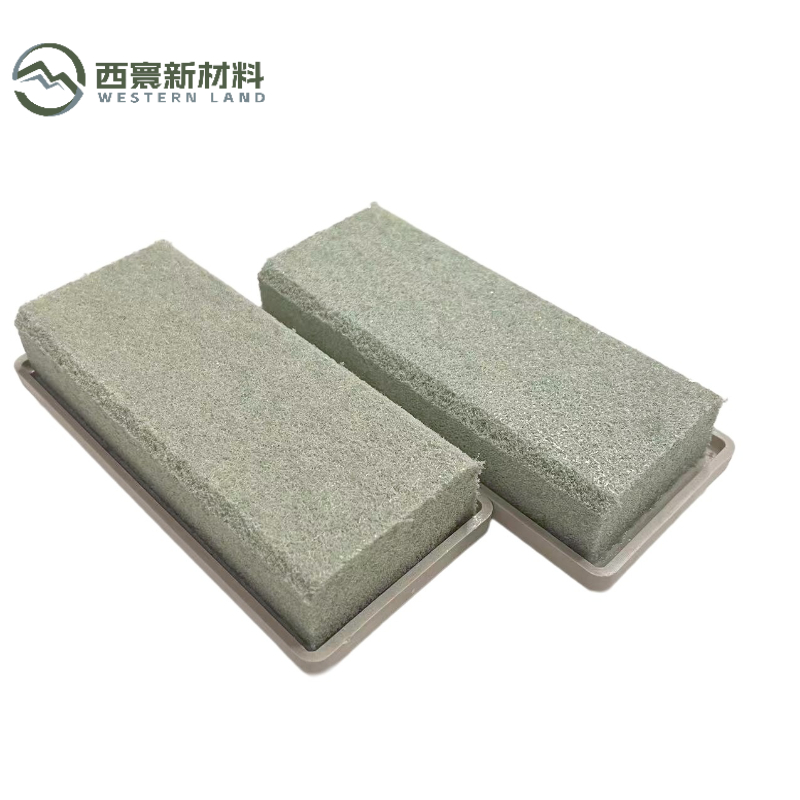
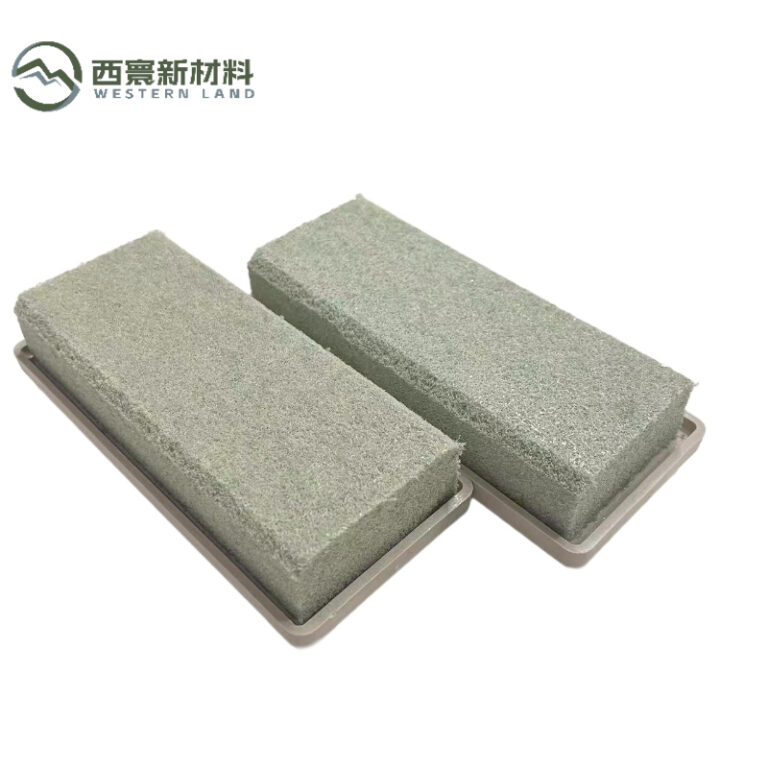
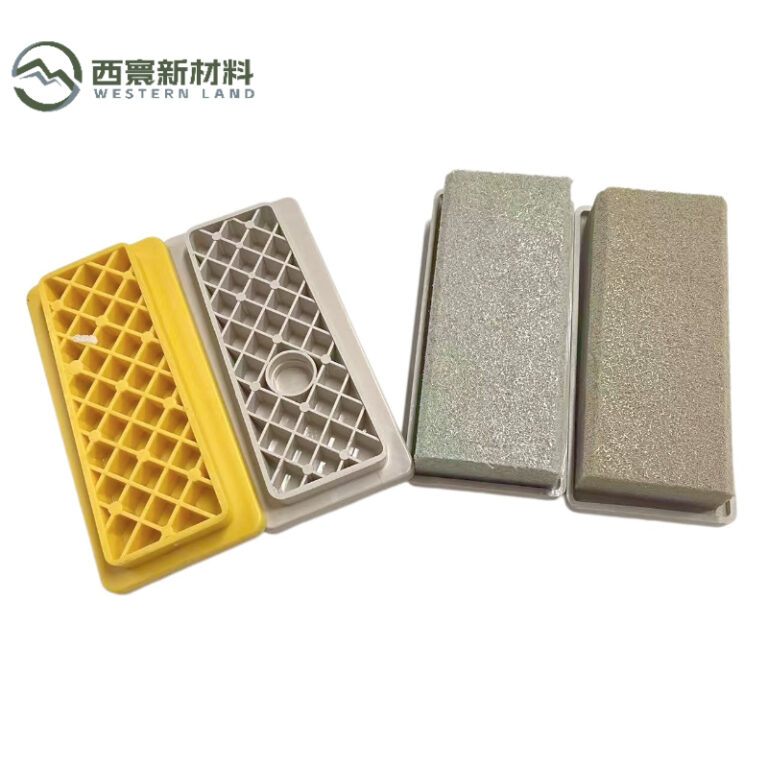
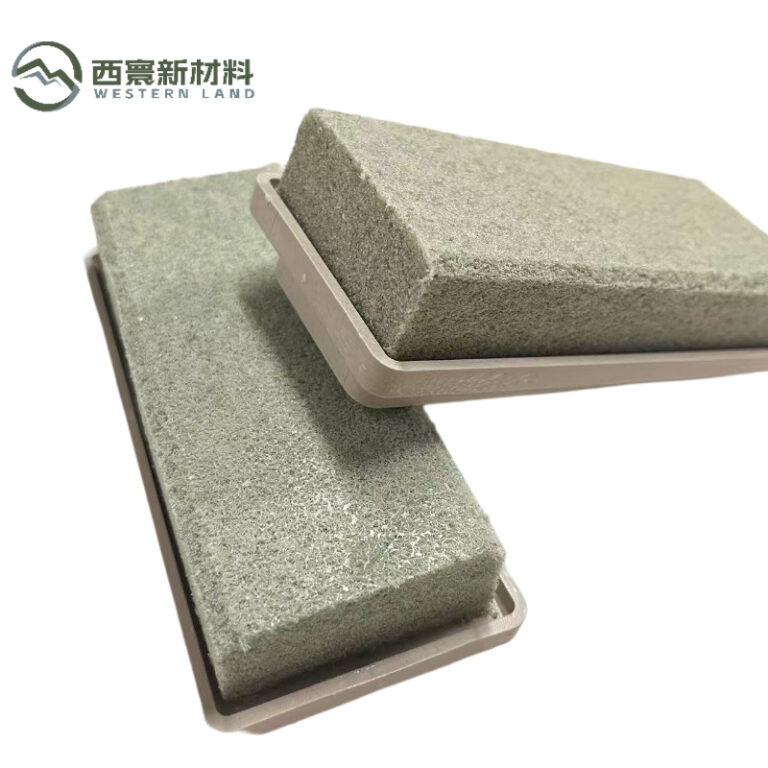
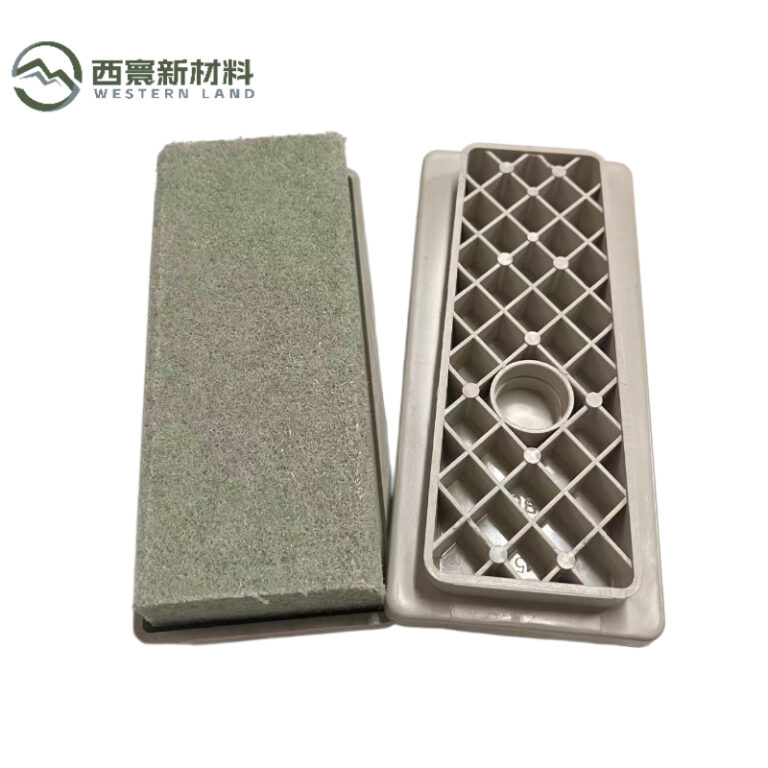
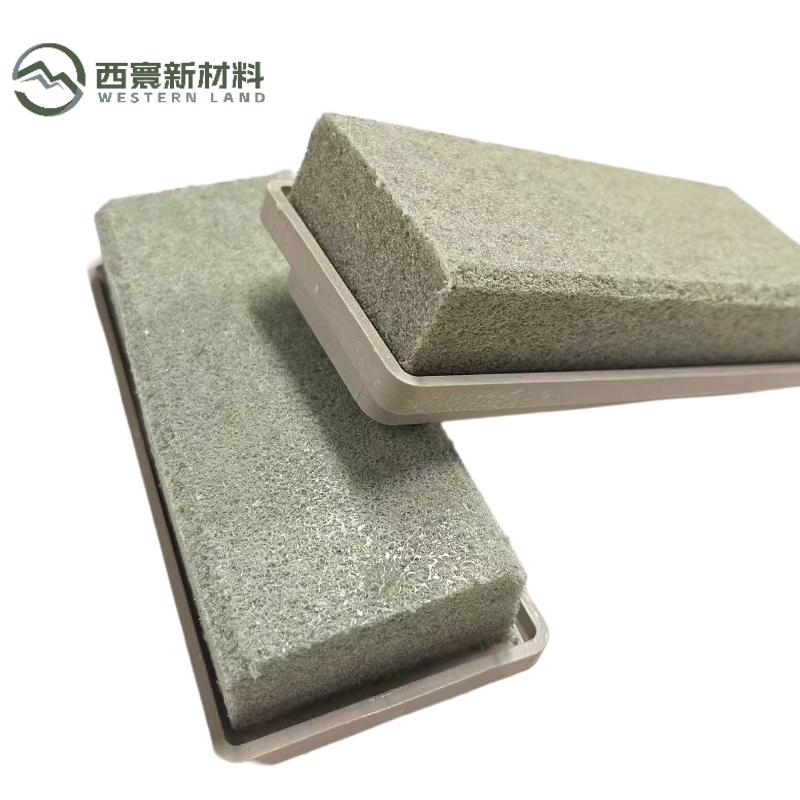
L140 Fiber Abrasive Block for Matte & Soft Gloss Finish
Industrial-grade fiber abrasive block (fiber fickert) for creating uniform matte and soft gloss (velvety) finishes on ceramic tiles, porcelain tiles, and natural stone surfaces. 10 grit sizes from #120 to #10000, OEM/ODM supported.
Key Features
- Matte & Soft Gloss FinishEngineered to create uniform matte and velvety soft-touch finishes on ceramic, porcelain, and stone surfaces in a single pass.
- 10 Grit SizesFrom coarse #120 stock refinement to ultra-fine #10000 mirror-soft polishing — one block family covers every stage of surface treatment.
- Two Models AvailableL140 (standard) and L170 (heavy-duty) for different machine setups and production volumes.
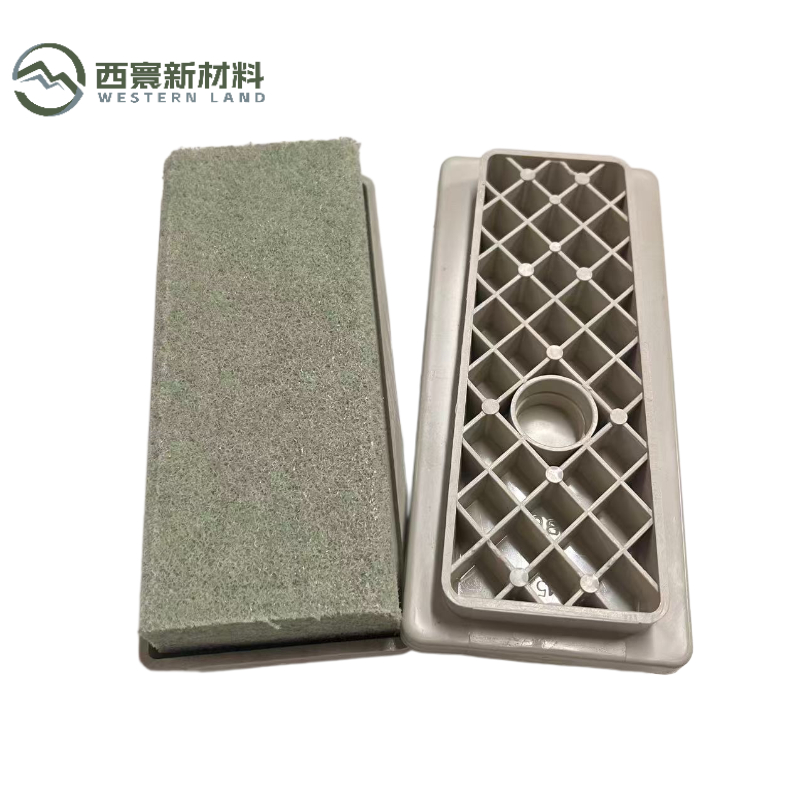
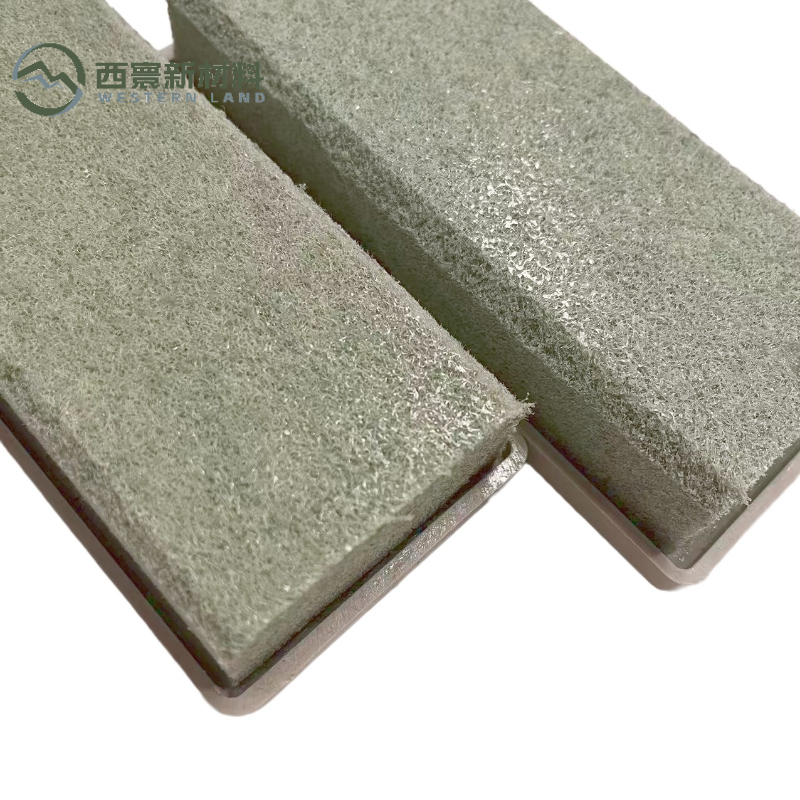
- Flexible Fiber BondSilicon carbide abrasive embedded in a tough, flexible nylon fiber matrix — long service life, consistent scratch pattern.
- For Ceramic, Porcelain & StoneDesigned for ceramic matte tile, soft gloss tile, porcelain tile, marble, granite, quartz, and engineered stone.
- OEM / ODM SupportedCustom grit combinations, dimensions, hardness (9P / 10P / 12P), and packaging available for OEM orders.
Product Overview
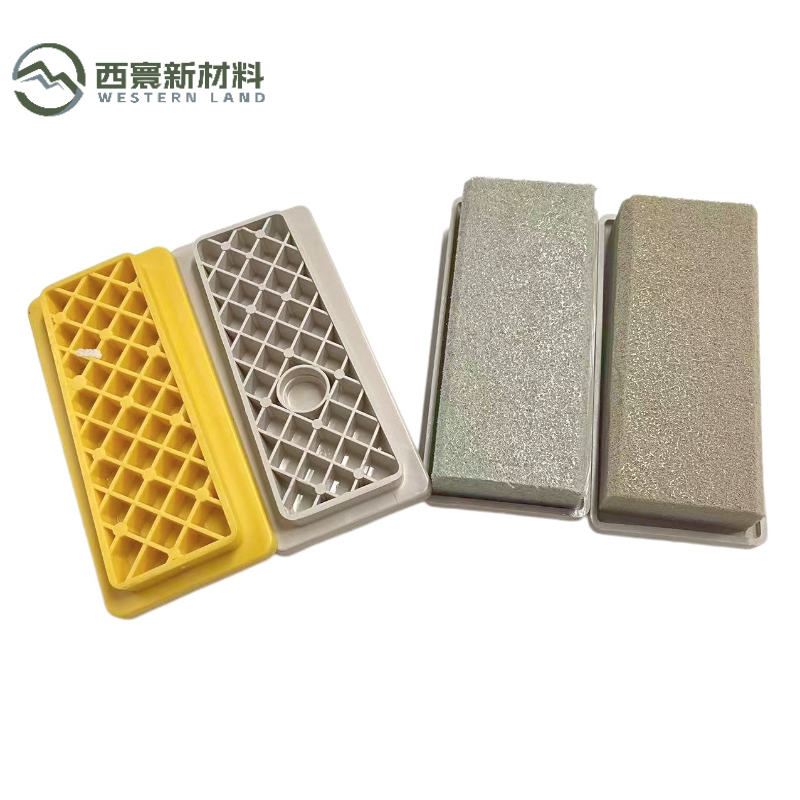
The L140 Fiber Abrasive Block (also widely called a fiber fickert in the stone industry) is a flexible abrasive tool made by embedding silicon carbide grains in a tough nylon fiber matrix. Mounted on automatic or semi-automatic ceramic tile and stone finishing lines, the block produces a consistent matte, satin, or soft-gloss (velvety) surface — the highly sought-after “soft touch” finish used in modern architectural surfaces.Unlike rigid grinding wheels, the fiber matrix conforms slightly to the surface, evening out micro-variations and producing a uniform tactile feel. It’s the go-to tool for any factory producing matte porcelain tile, soft gloss ceramic, honed marble, or leathered stone.Specifications
| Product Name | Fiber Fickert |
|---|---|
| Model | L140 / L170 |
| Usage | Ceramic Tiles, Porcelain Tiles, Stone Slabs, etc. |
| Brand | Western Land |
| Hardness | 9P, 10P, 12P |
| Grit Sizes | 120#, 180#, 320#, 400#, 600#, 800#, 1200#, 2000#, 3000#, 6000#, 10000# |
| Application | Matte & Soft Gloss Finishing for Ceramic Tile and Stone |
| Function | Fine Polishing, Enhancing Glossiness, Deburring |
| Service | OEM / ODM supported |
Available Hardness Grades
Three hardness grades let you match the block to your stone hardness and production speed. Softer blocks produce a finer surface on hard stone; harder blocks last longer on soft stone.9PSoft — for hard, dense stone (granite, quartz). Fine scratch pattern.
10PMedium — the most common grade. For ceramic, porcelain, and marble.
12PHard — for soft, abrasive stone (limestone, sandstone). Longest life.
Grit Size Reference & Application
Choose your grit based on the surface finish you need. Coarser grits refine the surface faster; finer grits deliver a smoother, more velvety feel.#120Coarse refinement
#180Standard matte
#320Fine matte
#400Satin / soft touch
#600Soft gloss
#800Fine soft gloss
#1200Polished soft touch
#2000High-end soft gloss
#3000Mirror-soft pre-polish
#6000Mirror polish prep
#10000Final mirror-soft
L140 vs L170 — Which Model Do You Need?
Featured
L140 Fiber Abrasive Block
Standard-duty fiber block for everyday matte and soft gloss finishing. Best fit for most ceramic and porcelain tile production lines.- Standard fiber density
- For continuous-duty tile lines
- All 10 grit sizes available
Heavy-duty
L170 Fiber Abrasive Block
Heavy-duty fiber block with denser fiber matrix for high-volume stone processing and longer service life in tough conditions.- Higher fiber density
- For stone and engineered quartz
- All 10 grit sizes available
How to Get the Best Finish
- Start with a clean, flat surface. The block refines, it doesn’t flatten. Pre-grind to target flatness first.
- Choose the right starting grit. Match the grit to the current surface condition.
- Use consistent feed speed and pressure. Too much pressure wears the block unevenly.
- Use water for stone, dry for ceramic. Wet processing extends block life on marble and granite.
- Step down through the grits for a smoother finish — e.g. #180 → #400 → #800 for satin-to-soft-gloss.
Need help choosing the right grit, hardness, or model? Tell us your material, current finish, and target finish — we’ll spec the block for you.
Contact Western Land Tools →
Typical Applications
- Matte porcelain tile production lines
- Soft gloss (velvety) ceramic tile finishing
- Polished porcelain tile de-glossing to satin/matte
- Honed marble and limestone surface refinement
- Leathered granite and engineered stone finishing
- Quartz surface matte finishing
- Architectural stone surface treatment
- Edge deburring on cut stone and tile
Pair with Other Western Land Tools
For a complete surface finishing line, the L140 fiber block works best after Western Land diamond abrasives and before final polishing:Contact us for full line specs Diamond Saw Blades L140 Rubber Abrasive BrushFor more on fiber abrasive technology and surface finishing standards, see this external reference on abrasive materials and surface finishing.Frequently Asked Questions
What grit should I use for a matte finish on ceramic tile?
For a uniform matte finish on ceramic tile, start with #180 or #320. For a deeper matte or more aggressive texture, go to #120. For a soft gloss / velvety finish, step up to #600, #800, or #1200.What is the difference between fiber abrasive block and rubber abrasive brush?
A fiber abrasive block uses silicon carbide bonded in a rigid fiber matrix — best for fine refinement, deburring, and high-gloss transitions. A rubber abrasive brush uses abrasive embedded in a flexible rubber — best for consistent scratch patterns on large flat surfaces. Most factories use both in sequence: rubber brush first, fiber block for final refinement.Which hardness should I choose: 9P, 10P, or 12P?
9P (soft) is best for hard, dense stone like granite and engineered quartz — it gives a finer scratch pattern. 10P (medium) is the most common grade and works for most ceramic, porcelain, and marble applications. 12P (hard) lasts longer on soft, abrasive stone like limestone and sandstone.Can the L140 fiber block be used on natural stone as well as ceramic?
Yes. The L140 fiber abrasive block works on ceramic, porcelain, marble, granite, quartz, and engineered stone. For harder stone and longer production runs, we recommend the L170 heavy-duty version.What machine does this fiber block fit?
The L140 / L170 fiber blocks are designed for automatic ceramic tile and stone finishing lines that use a fickert-type holder. Send us your machine model and we’ll confirm compatibility.Do you offer OEM / custom blocks?
Yes. Western Land offers full OEM / ODM service: custom grit combinations, dimensions, hardness, fiber density, and private-label packaging. MOQ for custom orders is typically 200 pieces per specification.Wet or dry use?
For ceramic tile, the block is typically used dry on automatic production lines. For natural stone (marble, granite), wet use is recommended to extend block life and reduce dust.What is the typical service life of a fiber abrasive block?
Service life depends on grit size, material, machine setup, and feed speed. As a rough guide: a #180 block on standard ceramic tile lasts 10–20 production shifts; finer grits (e.g. #10000) last 30–60 shifts. Replace when the surface finish becomes inconsistent.Need a quote, sample, or OEM/ODM pricing?
Tell us your material, target finish, and required grit — we’ll respond within 24 hours. Contact Western Land Tools →