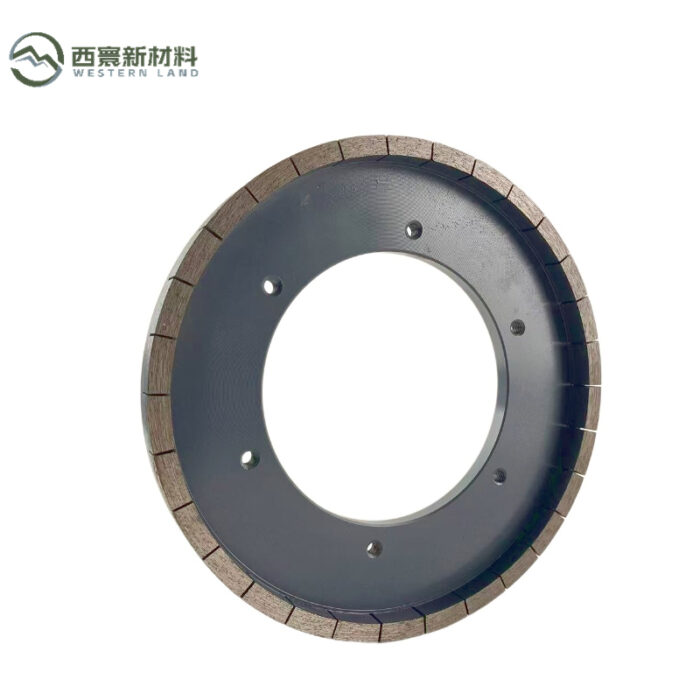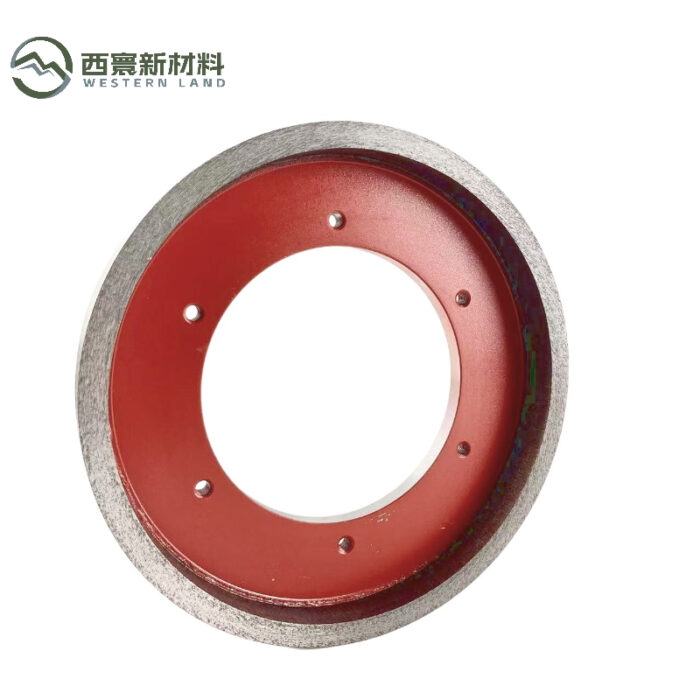
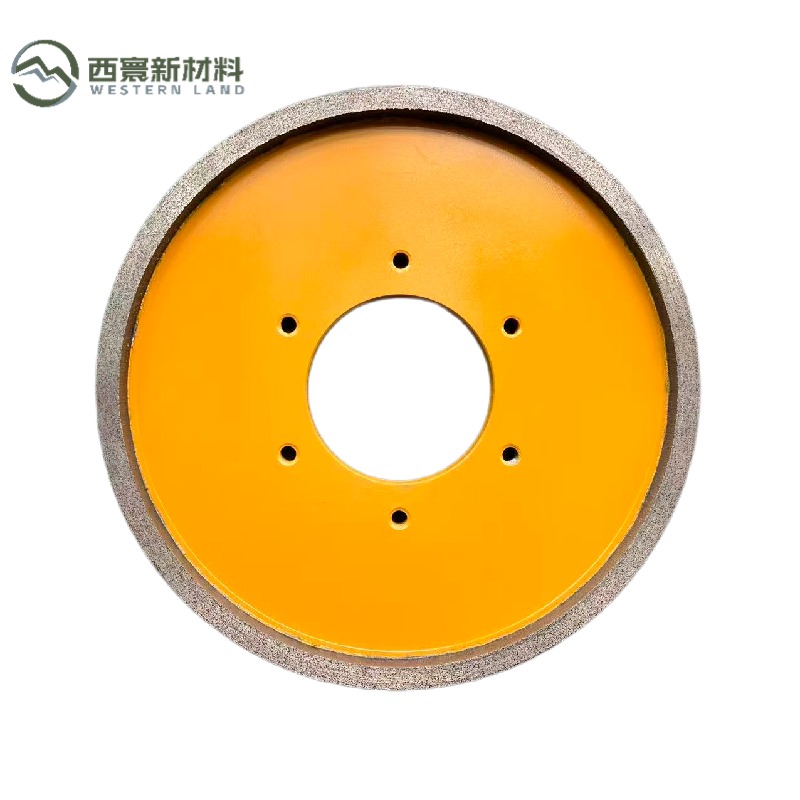


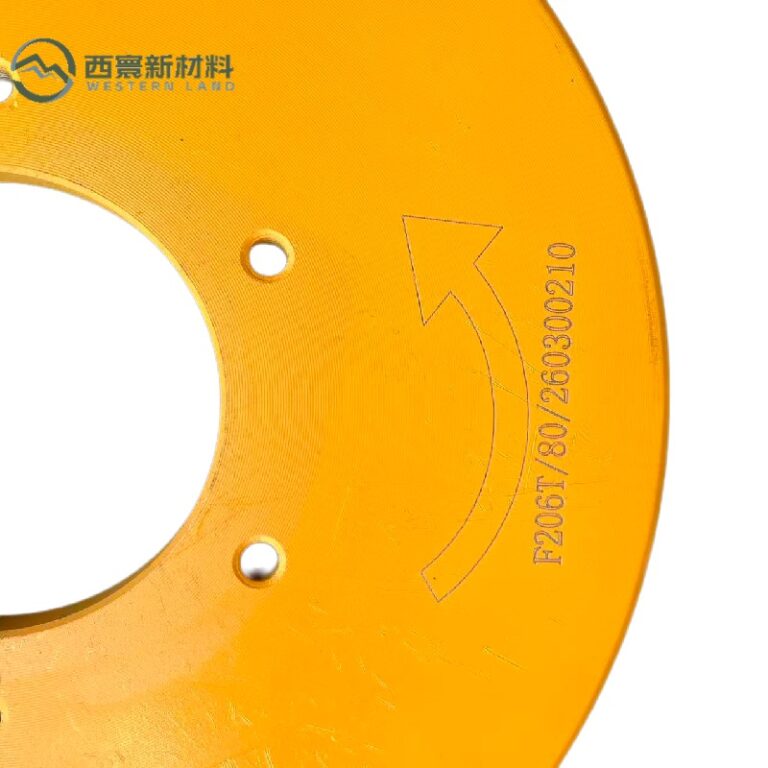
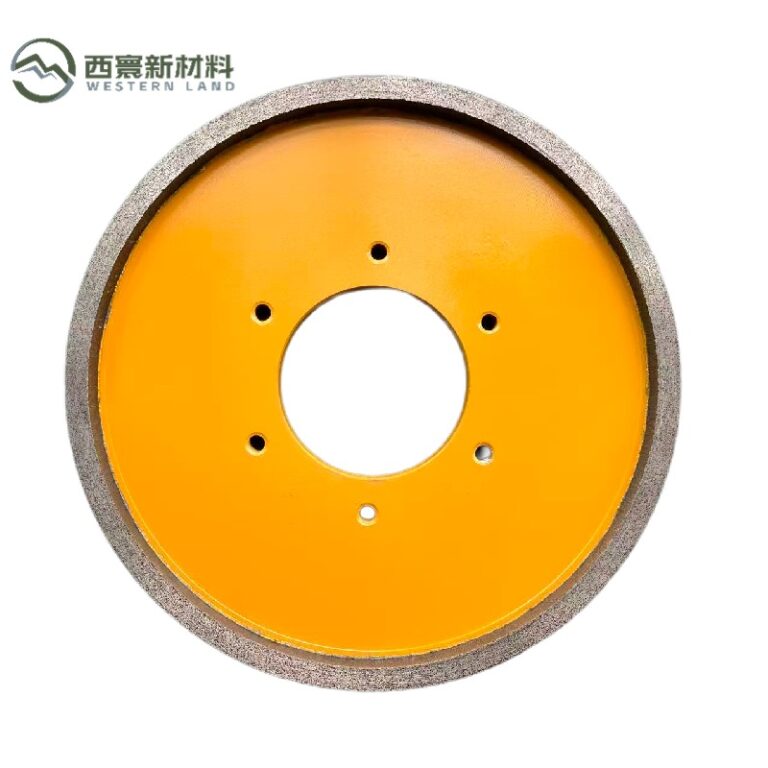
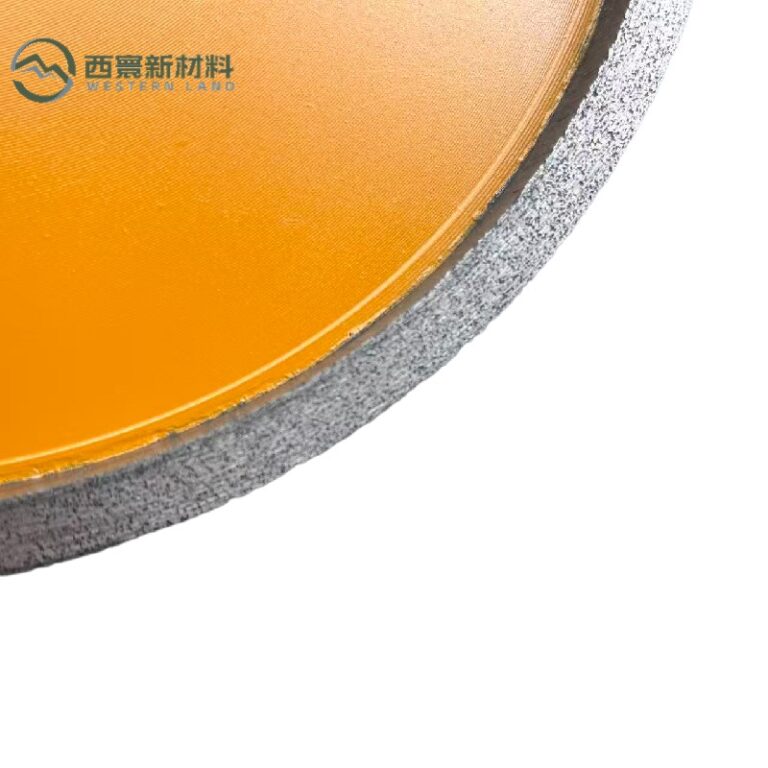
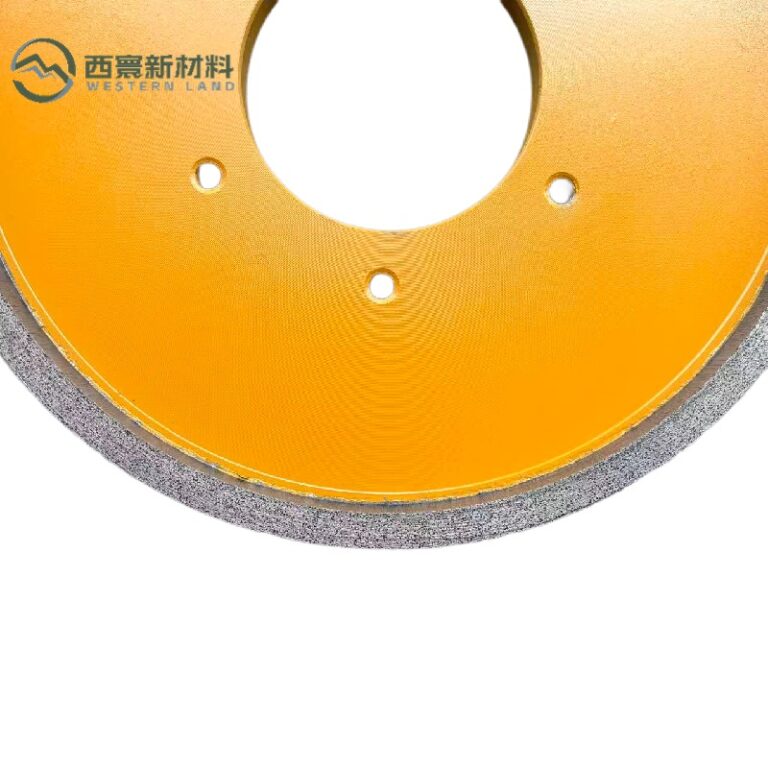
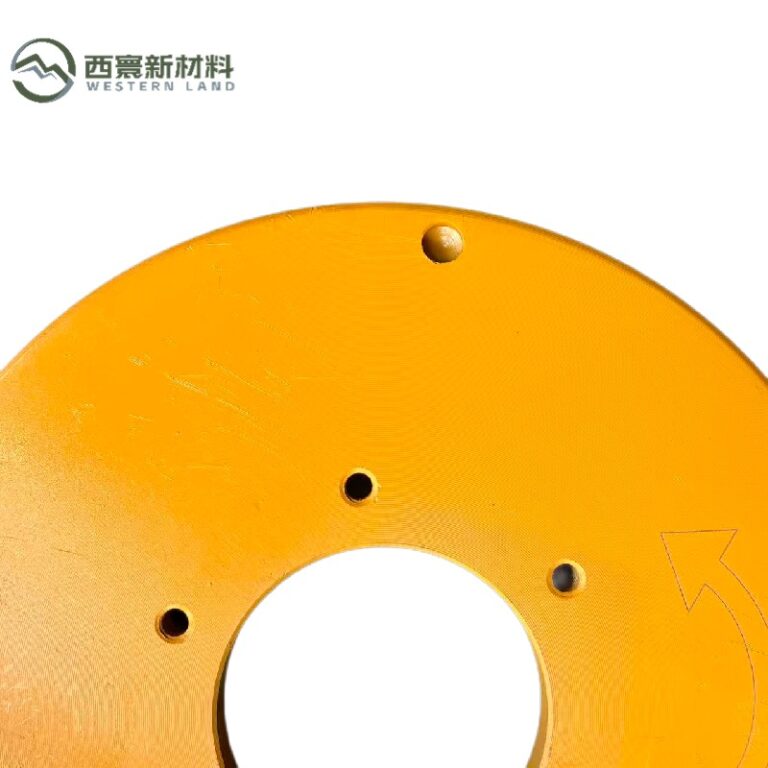
Diamond Squaring Wheel — Dry Grinding Edge Trimming Wheel for Tile & Ceramic
Factory-direct diamond squaring wheel (dry grinding wheel) with a 12 mm steel body and high-frequency welded diamond segments. Squares tile and ceramic edges to a clean 90° without chipping. 150 / 200 / 250 / 300 mm with multiple hole patterns. OEM / ODM supported.
Product Overview
A diamond squaring wheel (also called a dry grinding wheel or tile squaring wheel) is the final step in a tile and ceramic finishing line. After the tile is cut, its edge is still rough and slightly over-size. The squaring wheel grinds that edge back to an exact 90° straight, clean line so the tile drops flush into its final position without gaps, lips, or chips.Do it with a wet tile saw and you get a slow, water-dependent, chip-prone cut. Do it with a low-cost dry diamond wheel and you get chipped edges, burn marks, and a glazed wheel that stops cutting halfway through a batch. This Western Land wheel solves that with a 12 mm rigid steel body, high-frequency welded segments that will not release, and a diamond grade formulated for dry grinding that stays sharp without water.Four standard diameters (150 / 200 / 250 / 300 mm) and a wide range of hole diameters, bolt-hole counts, and center distances mean it fits the squaring machines already running in your factory — no machine change required. Ideal for tile factories, ceramic manufacturers, and stone processing plants running dry finishing lines.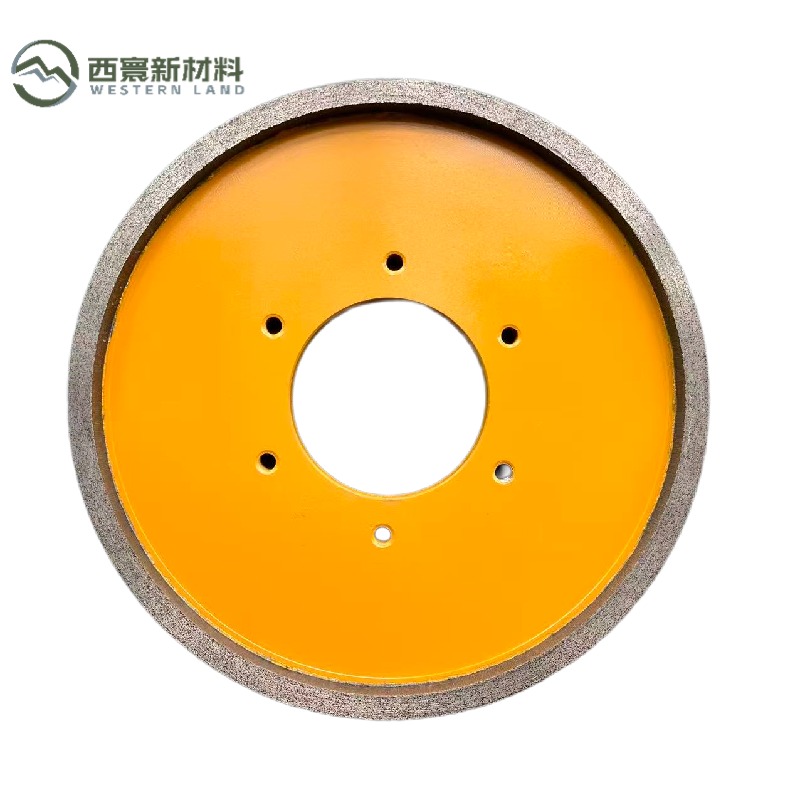
5 Customer Pain Points We Solved
High-Frequency Welded Segments, No Loss
Sintered (cold-pressed) segments can shear off mid-batch on a dry squaring machine — the wheel goes out of round, the machine damages the tile, and you lose the whole run. Every segment on this wheel is high-frequency welded (laser-brazed) to the steel body, so it is metallurgically bonded and will not release under dry grinding load.12 mm Rigid Steel Body — Runs True
A thin, warped body becomes out-of-round at speed, so the wheel cuts unevenly and you get a wavy, non-flat edge that will not lay flat in the final install. Our 12 mm rigid steel body is machined flat and stays true for the life of the wheel — a straight, flat, 90° edge on every tile.Dry-Grinding Diamond Grade — Cuts Without Water
Many diamond wheels are designed for wet cutting only — run them dry and they glaze over and burn the tile within minutes. This wheel uses a dry-grinding diamond grade with a heat-resistant bond, so it cuts sharp and cool in a completely dry operation. No water supply, no slurry handling, no drying time before packing.Multiple Hole Patterns — Fits Your Existing Machine
Every machine has a different bolt pattern. If your wheel has the wrong hole diameter, bolt count, or center distance, it will not mount. We offer hole diameters from 30 to 140 mm, 3 to 12 mounting holes, and center distances from 60 to 165 mm so this wheel fits the squaring machine already in your factory — no machine modification, no new tooling.Clean 90° Edge, No Chipping
The whole point of squaring is a clean, chip-free edge. A dull or wrongly-graded wheel chips the corners and leaves micro-fractures that show up after installation. Our segment profile is engineered for controlled, consistent removal — a straight edge with no chipping, no rounding, no visible rework.Key Features
- 12 mm Rigid Steel BodyMachined flat and stays true — a flat, straight, non-wavy edge on every tile.
- High-Frequency Welded SegmentsLaser-brazed to the body — zero risk of segment loss on a dry production line.
- Dry-Grinding Diamond GradeHeat-resistant bond cuts cool and sharp with no water supply required.
- 4 Standard Diameters150 / 200 / 250 / 300 mm for handheld and machine-mounted squaring.
- Segment Width & Height OptionsWidth 8 / 9 / 10 / 12 mm, height 8 / 10 / 12 / 14 mm.
- Wide Range of Hole PatternsHole dia. 30–140 mm, 3–12 mounting holes, 60–165 mm center distance.
Specifications
| Product Name | Diamond Squaring Wheel (Dry Grinding Wheel / Tile Squaring Wheel) |
|---|---|
| Product Type | Diamond squaring wheel — dry grinding edge trimming |
| Body Material | Rigid steel body, 12 mm thickness |
| Segment Attachment | High-frequency welded (laser-brazed) |
| Abrasive | Diamond, dry-grinding grade with heat-resistant bond |
| Cutting Mode | Dry grinding (no water required) |
| Application | Tile edge squaring, ceramic trimming, stone edge finishing |
| Available Diameters | 150 mm / 200 mm / 250 mm / 300 mm |
| Available Hole Dia. | 30 / 32 / 50 / 80 / 140 mm |
| Available Mounting Holes | 3 / 4 / 6 / 12 holes |
| Available Center Distance | 60 / 80 / 105 / 110 / 165 mm |
| Segment Width Options | 8 / 9 / 10 / 12 mm |
| Segment Height Options | 8 / 10 / 12 / 14 mm |
| Service | OEM / ODM supported |
Size Table (from spec sheet)
| Body Thickness | Outer Dia. | Hole Dia. | Mounting Holes No. | Distance Between Centers of Mounting Holes | Segment Width | Segment Height |
|---|---|---|---|---|---|---|
| 12 | 150 | 30/32/50/80 | 3/4/6 | 60/80 | 8/9/10 | 8/10/12/14 |
| 12 | 200 | 50/80/140 | 4/6/12 | 105/110/165 | 8/9/10 | 8/10/12/14 |
| 12 | 250 | 50/80/140 | 4/6/12 | 105/110/165 | 8/9/10 | 8/10/12/14 |
| 12 | 300 | 50/80 | 4/6 | 105/110 | 8/9/10/12 | 8/10/12/14 |
Other specifications are available on request.
Reading the table: Body thickness is the steel disc thickness in mm (12 mm across all sizes — this is what keeps the wheel running true). Outer dia. is the wheel diameter. Hole dia. is the center bore. Mounting holes no. is how many bolt holes the flange has. Distance between centers is the bolt-circle diameter (BCD) — measure this before ordering, it is the number buyers most often get wrong. Segment width is the thickness of the diamond rim. Segment height is how deep the diamond rim sits in the body — the deeper the segment, the longer the wheel life. The 250 mm size is featured as the most universal size for standard tile squaring machines.

Why Tile Edges Need a Squaring Wheel
When a tile comes off the saw, its edge is rough, slightly over-size, and not square. Install it anyway and you get:- Visible lip or gap between tiles — the edge is not at 90°, so the joint catches dirt and looks wrong.
- Wobbly, uneven install — an out-of-square edge makes the tile rock and the grout line varies.
- Chipped corners — a rough sawn edge chips during handling and installation, leaving sharp exposed edges.
How High-Frequency Welding Protects the Wheel
There are two ways to attach a diamond segment to a steel body, and on a dry grinding machine the difference matters more than most people realize:- Sintered (cold-pressed) — the segment is pressed and baked onto the body. Cheaper, but under sustained dry-grinding heat and load the joint can weaken and the segment can shear off. A lost segment on a running machine damages the wheel, the machine, and possibly the tile.
- High-frequency welded (laser-brazed) — the segment is metallurgically bonded to the steel with a high-temperature process. The joint is stronger than the segment itself, so it will not release under normal service.
Choosing the Right Diameter
- 150 mm — handheld angle grinders and small manual squaring stations. Detail work, narrow tiles, and sample cutting. The most versatile size for on-site and low-volume work.
- 200 mm — mid-size tile squaring machines, 300–500 mm tile formats, general ceramic trimming.
- 250 mm — the most universal size. Fits the majority of standard tile squaring machines worldwide. The recommended default if you are unsure.
- 300 mm — large machine-mounted squaring, 800–1200 mm tile and slab formats, heavy production finishing.
Not sure which size or hole pattern fits your machine? Send us the bolt-circle diameter (center distance), the center bore, and your tile thickness. We’ll spec the exact wheel so it mounts first time.
Contact us for machine matching →

How to Get the Best Squared Edge
- Measure your machine first. Confirm the center bore diameter, the bolt-circle diameter (center distance), and the number of mounting holes. Match the existing wheel on your machine — this is the number one cause of a wrong-order return.
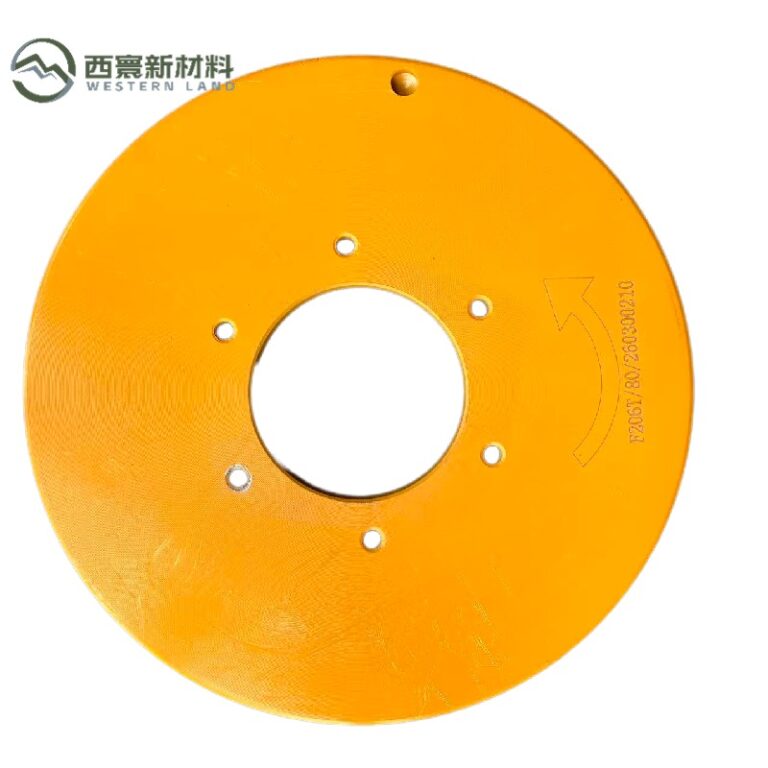
- Run the wheel in the correct direction. Most squaring wheels are directional. Running it backwards will glaze it in minutes.
- Take light, even passes. Do not force the wheel into the tile. Let the diamond do the work — forcing causes chipping on the tile corners.
- Keep the segment clean. Wipe away tile dust frequently. Packed dust glaze on the rim is the main cause of a glazed, non-cutting dry wheel.
- Replace as a matched set. When the segment height is worn down to about 1–2 mm, replace the whole row so every machine on the line cuts the same edge.
- Use a respirator and eye protection. Dry grinding produces fine silica dust. Wet suppression or proper dust extraction protects your operators.
Recommended Applications
- Tile edge squaring on porcelain and ceramic tile after cutting
- Ceramic trimming for floor and wall tile production lines
- Stone edge finishing on marble, granite, and slate slab edges
- Straightening edges that were cut slightly out of square
- Bevel and chamfer prep before secondary finishing
- Glass and ceramic general dry grinding
- Tile factories running 5,000–100,000+ m² of dry-finished tile per month
- Stone processing plants with a dedicated dry finishing station
- OEM private-label for tile machine manufacturers and tool distributors

Pair With Other Western Land Tools
A complete dry finishing line needs the cutting and squaring steps matched. For the stages before and after squaring on the same tile, Western Land Tools supplies:Contact us for full line specs Segmented Diamond Squaring Wheel Laser Welded Granite Saw Blade Laser Welded Marble Saw BladeFor background on the industrial abrasives used in ceramic and stone finishing, see this external reference on abrasive materials and how they are graded and bonded.Frequently Asked Questions
What is a diamond squaring wheel?
A diamond squaring wheel — also sold as a dry grinding wheel or tile squaring wheel — is a diamond-impregnated wheel that grinds a freshly cut tile or ceramic edge to an exact 90° straight line. It is the standard finishing tool on modern tile production lines and does not require water.How is a dry grinding wheel different from a wet tile saw blade?
A wet saw blade cuts straight through the tile with water cooling and leaves a slightly rough, over-size edge. A dry grinding wheel is a rigid-bodied wheel designed for edge squaring — it takes light material off the edge to bring it to 90°. Wet cutting needs a water supply and slurry handling; dry grinding needs neither, which makes it faster to set up and simpler to run in a finishing station.Will this wheel fit my machine?
It almost certainly will. We offer hole diameters of 30 / 32 / 50 / 80 / 140 mm, 3 / 4 / 6 / 12 mounting holes, and center distances of 60 / 80 / 105 / 110 / 165 mm. Measure your existing wheel — the two numbers that matter are the center bore diameter and the bolt-circle diameter (center distance). Send us those and your tile thickness and we’ll spec the exact wheel. Contact us to match your machine.Why do the segments need to be welded instead of sintered?
On a dry grinding machine, friction heat builds fast. A sintered (cold-pressed) segment joint can weaken under that heat and load, and the segment can shear off mid-batch — damaging the wheel, the machine, and the tile. High-frequency welded (laser-brazed) segments are metallurgically bonded to the steel, so the joint is stronger than the segment itself and will not release.What does segment height mean, and which should I choose?
Segment height is how deep the diamond rim sits inside the steel body — available in 8 / 10 / 12 / 14 mm. A deeper segment means more usable grinding depth and therefore longer wheel life before replacement. For heavy production dry finishing choose 12 or 14 mm; for lighter or intermittent use 8 or 10 mm is sufficient.Which diameter should I choose?
150 mm for handheld and detail work, 200 mm for mid-size machines and 300–500 mm tile, 250 mm for the majority of standard tile squaring machines (the recommended default), and 300 mm for large machine-mounted squaring and 800–1200 mm formats.How long does a diamond squaring wheel last?
Service life depends on tile hardness, segment height, machine pressure, and grinding depth per pass. As a rough guide, a 12–14 mm segment on a 250 mm wheel running standard porcelain tile lasts 3–9 months in production. A deeper segment, light even passes, and keeping the rim clean all extend life significantly. Replace when the segment height wears down to 1–2 mm.Do you offer OEM / ODM manufacturing?
Yes. Western Land offers full OEM / ODM service: custom diameters, body thickness, segment width and height, hole patterns, private-label packaging, and bonded warehouse programs for machine manufacturers and high-volume buyers.Why should the wheel be replaced as a set?
Wheels on the same line wear at slightly different rates. If you replace only one, that machine cuts a slightly different edge from the rest of the line, and the inconsistency shows in the finished install. Replacing the full row keeps every tile on the line identical.Need a quote, custom size, or machine matching for the diamond squaring wheel?
Send us the center bore, bolt-circle diameter, and tile thickness — we’ll spec the exact wheel and respond within 24 hours. Contact Western Land Tools →