
Common Mistakes When Buying Diamond Segments
Avoid 7 costly purchasing errors for longer service life and clean stone‑cutting results
Introduction: Why Wrong Diamond Segments Cost You Money
Many stone fabricators run into avoidable losses due to common mistakes when buying diamond segments. Wrong bond hardness, mismatched diamond grit or low-quality segments will cause fast wear, chipping and extra cutting cost. In this guide, we break down 7 frequent errors and how to pick suitable diamond segments for granite, marble and andesite. Knowing these typical buying mistakes helps you pick suitable diamond segments for granite, marble, concrete, andesite and other materials, and greatly reduce your overall operating cost.
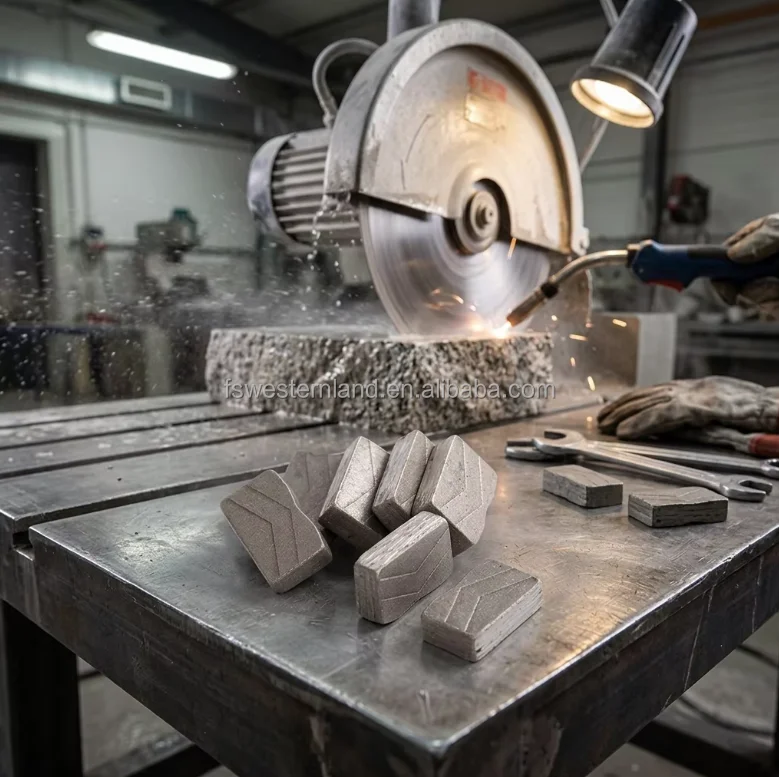
Figure 1: Real‑world stone cutting workshop, proper diamond segment selection determines your production efficiency
7 Common Mistakes When Buying Diamond Segments
Below are seven frequent purchasing mistakes among stone processors, together with material‑specific pain points and correct selection suggestions.
1 Buying Only By Low Price, Ignoring Comprehensive Cost‑Per‑Cut
Lots of buyers choose the cheapest diamond segments directly. Cheap products usually adopt low diamond concentration and unstable metal bond. Although unit price is low, they wear out rapidly, cause frequent downtime and more slab waste. Finally your total production cost becomes much higher.
Correct approach
- Evaluate cost‑per‑cut instead of unit price only.
- Check diamond concentration, bond formula and sintering quality before bulk purchase.
- Run small‑batch trial cutting before large orders.
2 Using One Type Of Segment For All Kinds Of Stone
This is one of the most serious mistakes. Granite, marble, concrete and andesite have completely different hardness, abrasiveness and internal structure. If you reuse one batch of diamond segments across different stones, you will face glazing, premature wear or terrible chipping problems.
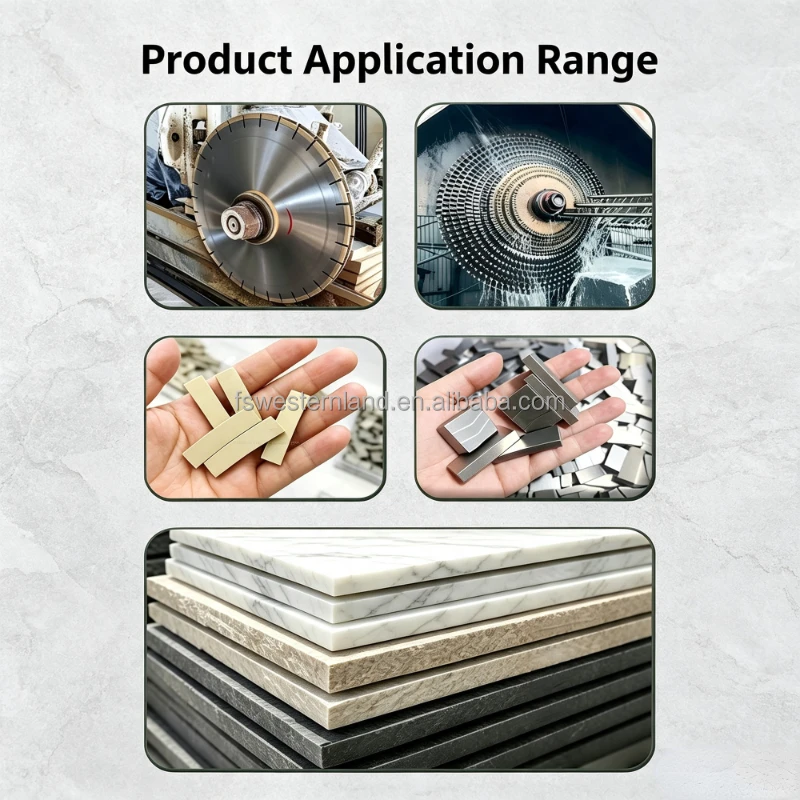
Figure 2: Diamond segments need to match different stone materials and saw machines
| Stone Type | Main Cutting Pain Point | Recommended Segment Bond |
|---|---|---|
| Granite | High abrasion, fast segment consumption | Medium‑hard bond |
| Marble | Easy edge chipping, soft texture | Hard bond |
| Concrete | Mixed aggregate, impact load | Medium bond |
| Andesite | High hardness & sharp mineral grain | Soft‑medium bond |
3 Mis‑Matching Bond Hardness With Target Stone
Bond hardness decides how fast metal matrix wears and exposes new diamond grits. Hard stone needs relatively soft bond; soft stone needs relatively hard bond. Reversed selection will trigger typical failures: glazing or excessive segment loss.
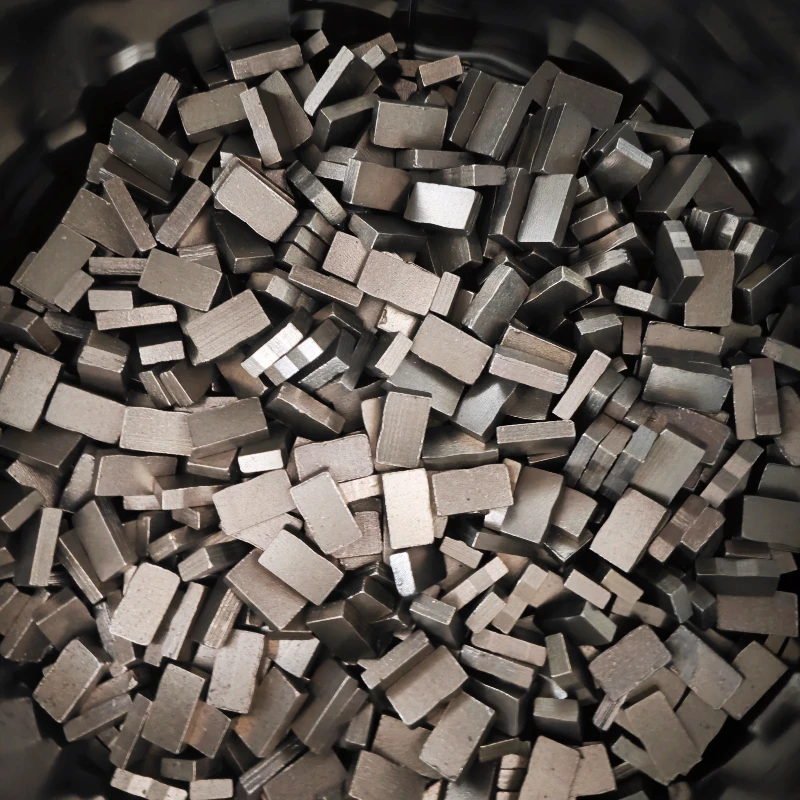
Figure3: Combination gang‑saw diamond segments with customized bond formulas
Typical material‑specific troubles caused by wrong bond:
- Granite: Too‑hard bond → glazing, stop cutting; too‑soft bond → segments wear away very fast.
- Marble: Too‑soft bond → drop diamond grits quickly and bad edge chipping.
- Concrete: Improper bond leads to uneven wear against mixed sand‑aggregate.
- Andesite: Hard bond formula cannot self‑sharpen for its sharp mineral particles.
4 Ignoring Real‑Working Conditions And Saw Machine Type
Tower saw, gang saw, single‑blade saw and small hand saw require different segment sizes, heights and welding interfaces. Many buyers only check outer appearance without confirming machine parameters. Segments may not fit your saw arbor, or cannot bear your machine’s feed speed and vibration.
Check list before order:
- Saw machine model: gang‑saw / tower saw / single saw
- Segment dimension: length, width, height, welding slot size
- Working mode: wet cutting or dry cutting
5 Neglecting Diamond Concentration And Grit Size
Low diamond concentration reduces lifespan. Too‑coarse grit brings rough cutting surface; too‑fine grit sacrifices cutting sharpness. Different stones need matched diamond grit and concentration. For example, marble needs fine grit for anti‑chipping, granite needs balanced grit for long life and sharpness.
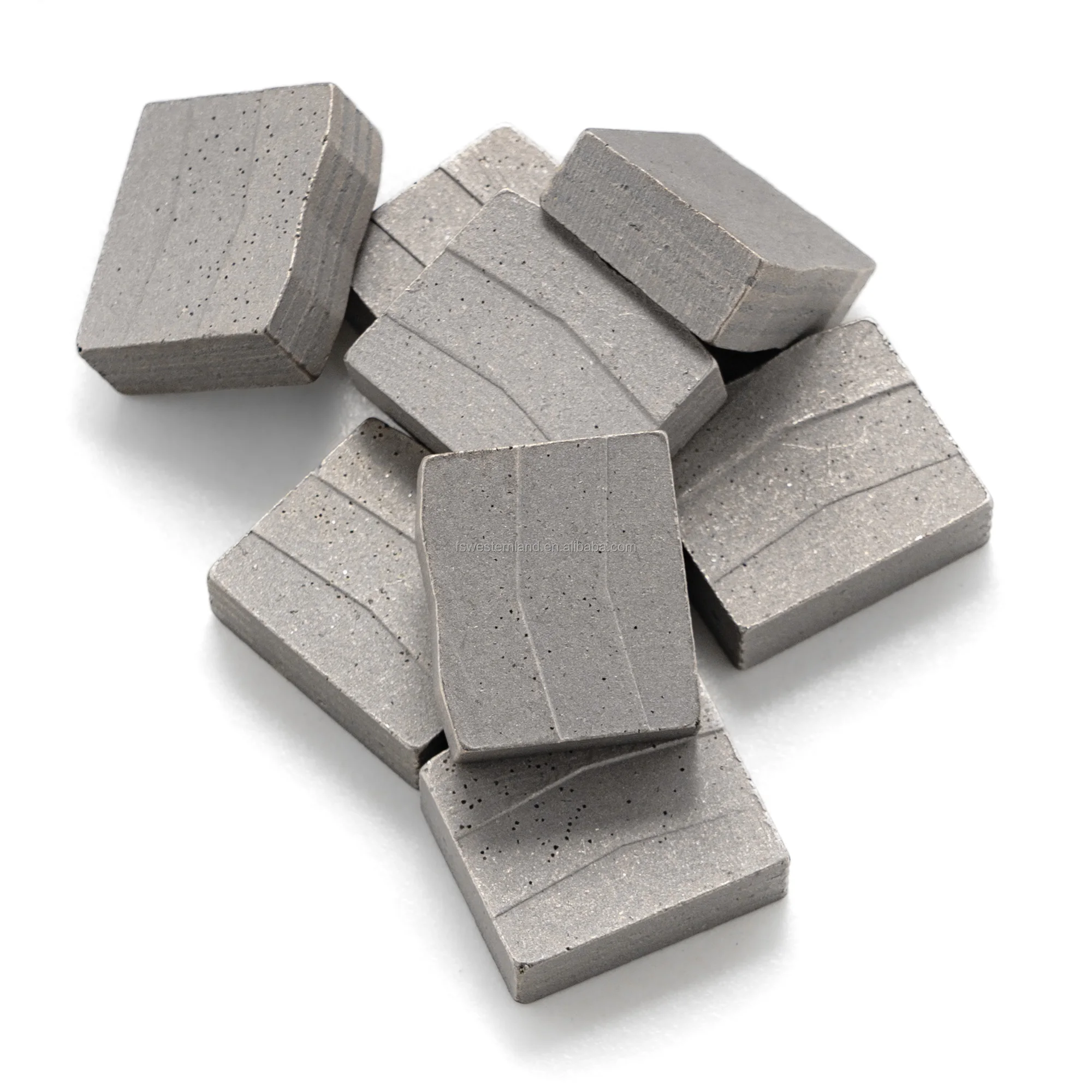
Figure4: Special diamond segments for granite cutting
6 Purchasing Without Sample Test Cutting
Buying large‑volume diamond segments without trial run is risky. Even with same parameters on datasheet, different factories have different sintering craft. Real cutting performance can only be verified on your own stone and your own saw equipment.
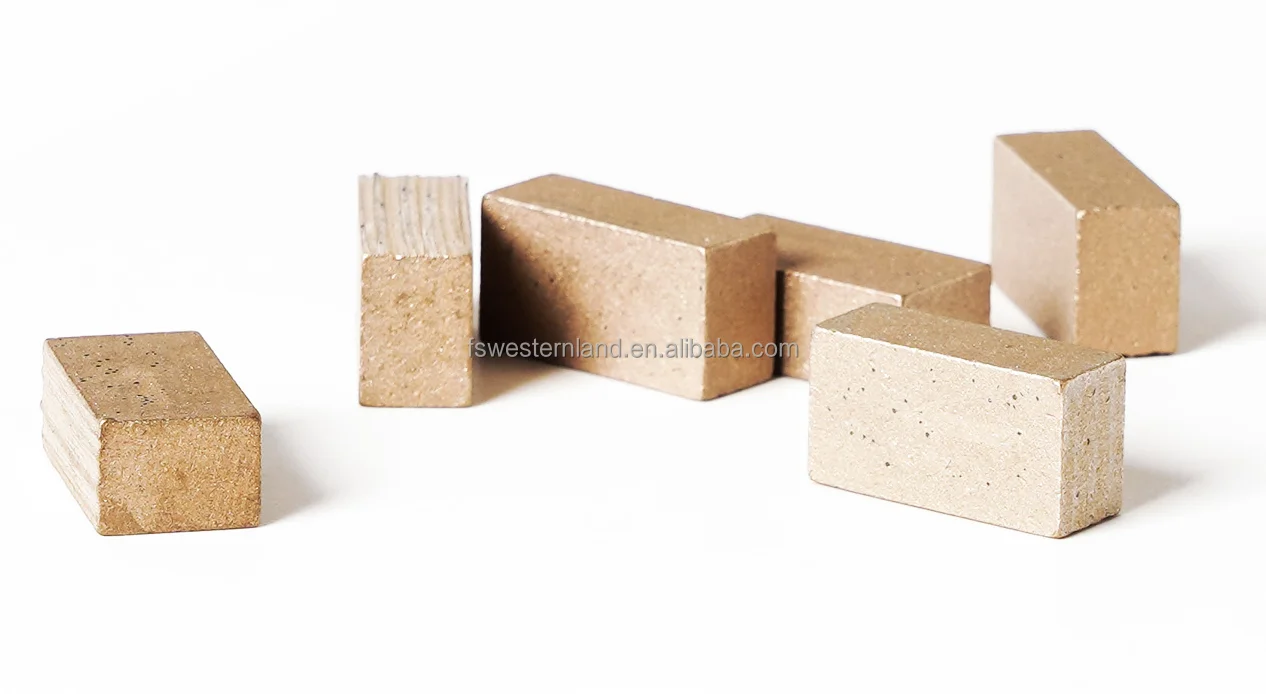
Figure5: Marble‑oriented diamond segments for anti‑chipping cutting
Suggestion:
Ask supplier for small sample batch, test on your local stone, record wear speed, sharpness and edge quality, then confirm mass‑order.
7 Over‑looking Custom Formula For Local Special Stone
Standard universal segments cannot handle some special local stone. For example, some andesite and special‑formula concrete have unique mineral composition. If you still pick off‑the‑shelf standard segments, you will face unstable cutting effect.
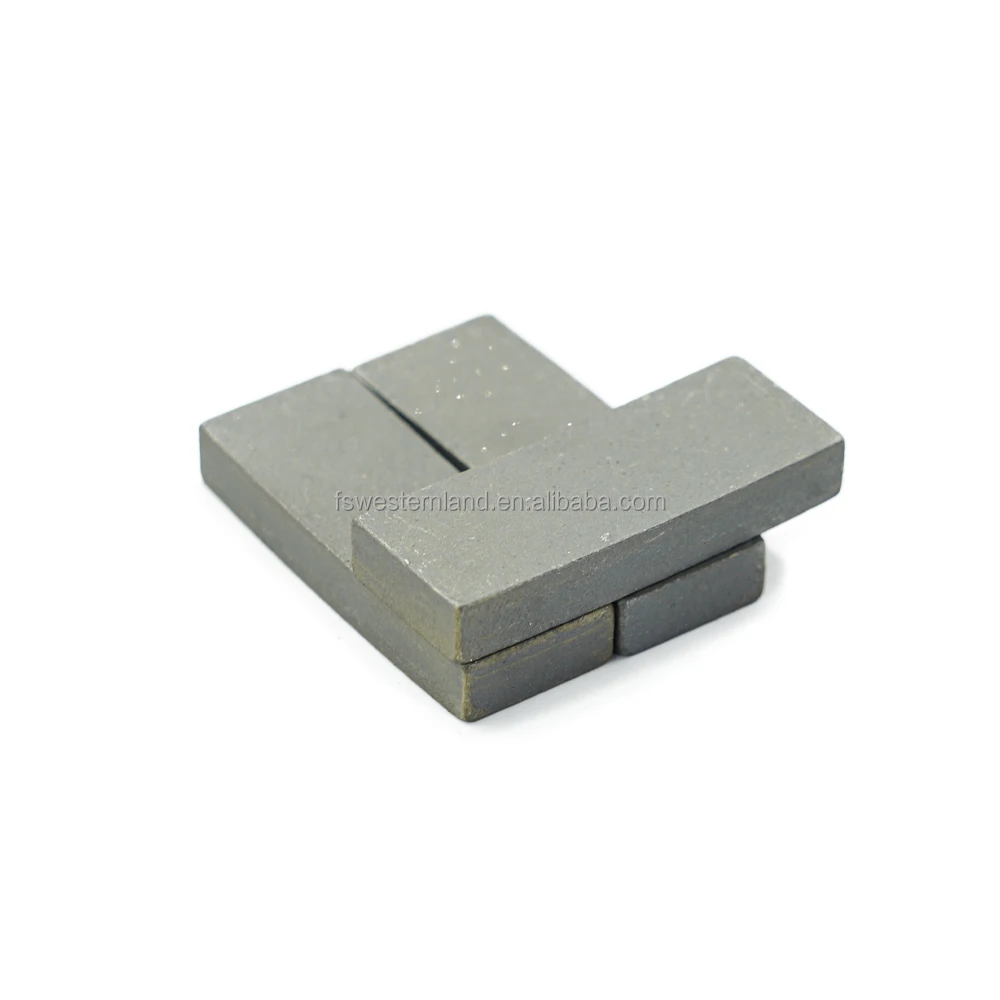
Figure6: Diamond segments designed for concrete cutting with mixed aggregate
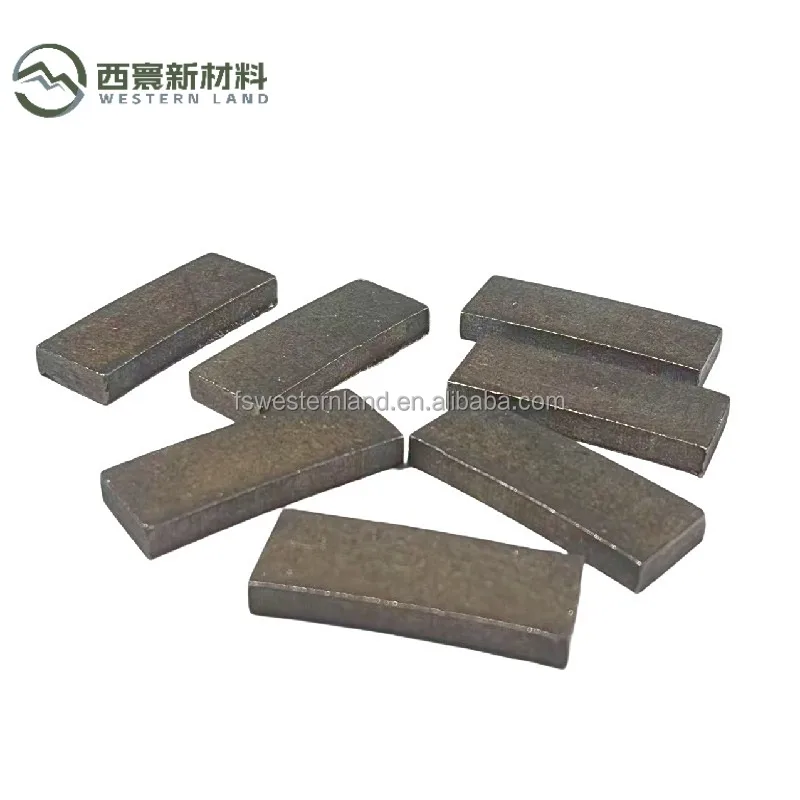
Figure7: Diamond segments for hard andesite stone
Custom solution:
Provide your stone sample or describe its hardness and abrasiveness. Reliable suppliers can adjust bond formula, diamond grit and concentration to get optimized segments for your unique material.
Final Buying Checklist For Diamond Segments
Go through these points before you place orders for diamond segments:
- ✅ Confirm which stone material you mainly process (granite / marble / concrete / andesite or others)
- ✅ Match proper bond hardness for your stone’s hardness and abrasiveness
- ✅ Check segment dimension fits your gang‑saw / tower‑saw / single‑saw machine
- ✅ Verify diamond concentration and grit size match your quality expectation
- ✅ Complete trial cutting with sample before bulk purchasing
- ✅ Consider custom formula if you process special‑type local stone
Avoiding those seven buying mistakes will greatly extend diamond‑segment service life, reduce stone chipping waste, and improve your whole‑plant stone‑processing profitability. If you need help selecting or custom‑making diamond segments for your working condition, feel free to contact our technical team for professional advice.
Check our diamond segment for stone cutting: https://www.westernlandtools.com/product-category/diamond-segment/


