
Silicon Carbide Chamfering Wheel — 45° Tile Edge Chamfering
Product Overview
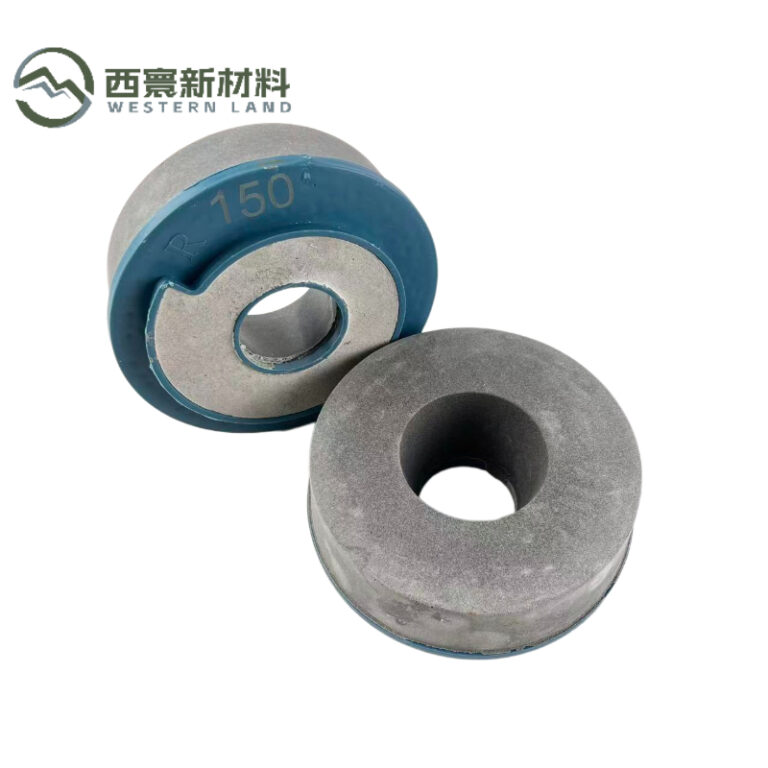
A chamfering wheel (also sold as a beveling wheel, mitre wheel) is the tool that puts a clean 45° bevel on the edge of a tile. This is not a decorative step — it is a functional requirement for modern tile installation. When two tiles meet at a 90° inside corner, a 45° bevel on each edge creates a clean V-groove that grout fills perfectly, instead of the lumpy, uneven joint you get from butted square edges.Getting that bevel right on a glazed surface is the hard part. The glaze is glass — it is harder and more brittle than the ceramic body underneath, and it sits right on the edge where the wheel hits it. A wheel that is too hard, too coarse, or too aggressive will chip the glaze, and a chipped glaze edge is immediately visible in a finished floor because it is a light-reflecting line that runs along every joint.It is bonded silicon carbide (SiC) wheel — and SiC is the right abrasive for this specific job: it is harder than alumina so it cuts fast through the glaze, but it is friable enough to break down into sharp grains rather than grinding the glaze into a heat-cracked mess. The resin bond gives it just enough give to cushion the impact on the brittle glaze layer. Result: a fine, delicate, consistent 45° chamfer with dramatically reduced glaze chipping — and because it is wet-grinding, no thermal damage to the edge at all.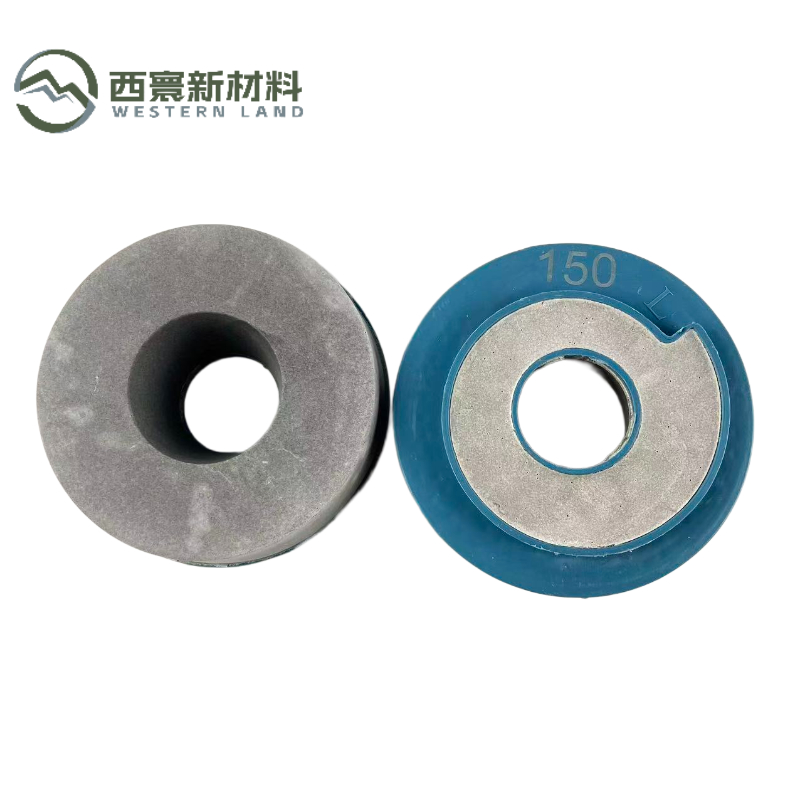
5 Customer Pain Points We Solved
No Glaze Chipping on the 45° Bevel
The glaze on a glazed tile is a brittle glass layer sitting on the edge — exactly where the wheel contacts it. A coarse or overly aggressive wheel chips the glaze, and a chipped glaze edge shows as a bright, irregular line along every joint in the finished floor. The silicon carbide grain is hard enough to cut glaze fast but friable enough to stay sharp and controllable, so it shears the glaze instead of fracturing it — visibly reducing chipping along the chamfer.Delicate, Smooth Finish — Not a Coarse Ragged Bevel
A fast-cut wheel can leave a coarse, stepped, visibly serrated bevel that looks unfinished and makes the grout line look wavy. The Y6 is engineered for a fine, delicate surface rather than maximum removal — the finish is smooth enough to read as a machined edge, which is what makes the tile look expensive on the floor. Fine chamfer quality is what separates a premium installation from a cheap one.Wet Grinding — Zero Thermal Damage to the Glaze
Grinding a glazed edge generates heat, and heat on a glassy glaze causes thermal micro-cracking and burning that is invisible until the tile is installed. It runs wet — water carries the debris away, cools the contact zone, and prevents the glaze from being damaged thermally. It also keeps the wheel from loading up, so the cut stays fast and consistent. Wet grinding is not optional on glazed tile.Clean V-Groove That Grout Actually Fills
The whole point of the 45° bevel is to create a clean V-groove for the joint compound. A ragged, chipped, or inconsistent bevel means the grout does not fill the joint evenly — you get voids, pinholes, and a joint that collects dirt. A consistent, smooth chamfer gives the grout a clean, uniform channel to sit in, which is what produces the clean, straight, professional joint line that buyers judge the installation by.Key Features
- High-Hardness Silicon CarbideHarder than alumina, friable enough to stay sharp — cuts glaze fast without fracturing it.
- Designed to Reduce Glaze ChippingThe #1 defect on a glazed 45° chamfer, addressed directly by the abrasive choice.
- Fine, Delicate 45° FinishNot a coarse ragged bevel — a smooth, machined-looking edge that reads as premium.
- 12 Grit Grades: 80# – 800#Full range for coarse stock removal through to the final delicate bevel.
- Wet GrindingWater cooling prevents thermal micro-cracking and glaze burning.
Specifications
| Product Name | Y6 Resin Bonded Silicon Carbide Chamfering Wheel (Y6 碳化硅倒角轮) |
|---|---|
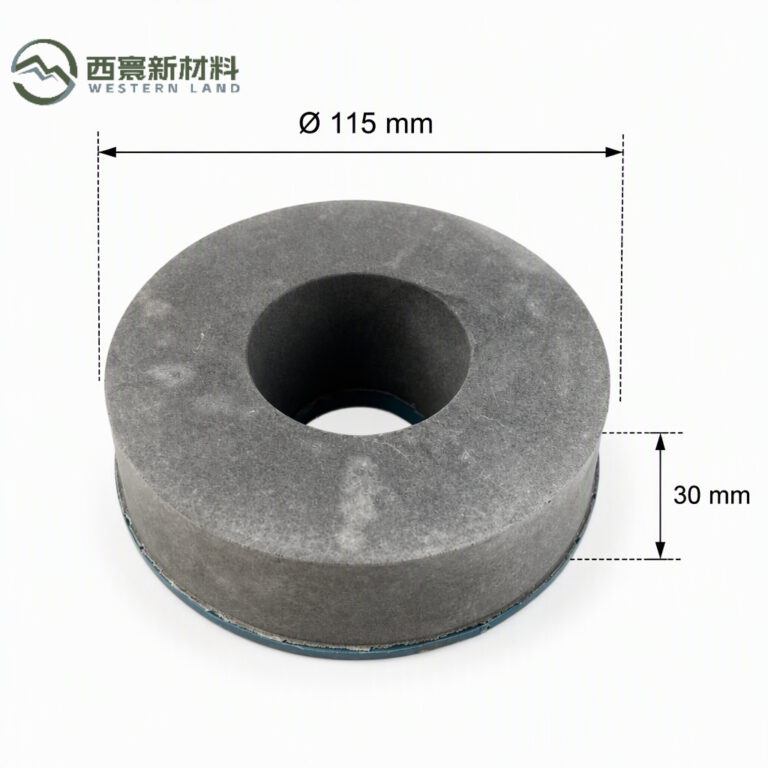
| Abrasive Grade | Y6 — high-hardness silicon carbide (SiC) |
| Application | 45° chamfering / beveling (mitre) of ceramic tile edges |
| Process Stage | After squaring, before grouting — final edge preparation for jointing |
| Material Processed | Full-body porcelain, polished-glazed, matte / soft-gloss, glazed vitrified tile |
| Cutting Mode | Wet grinding (water cooled) |
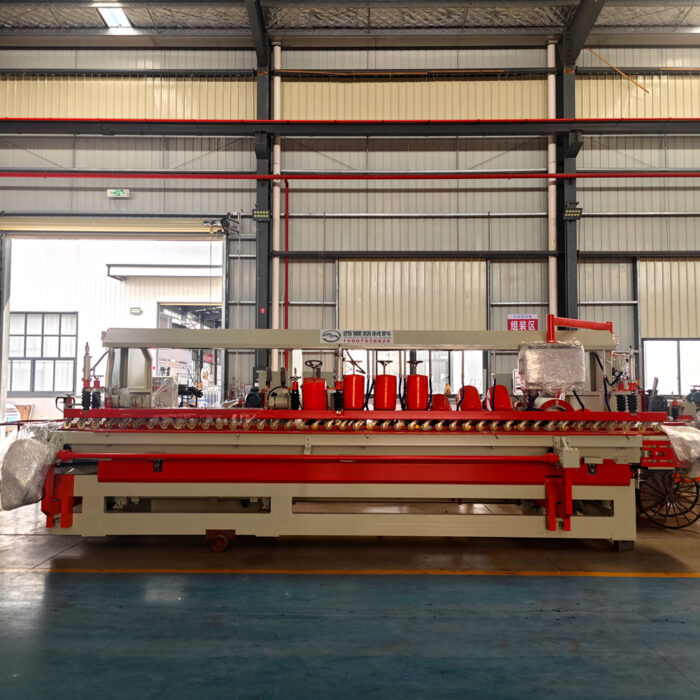
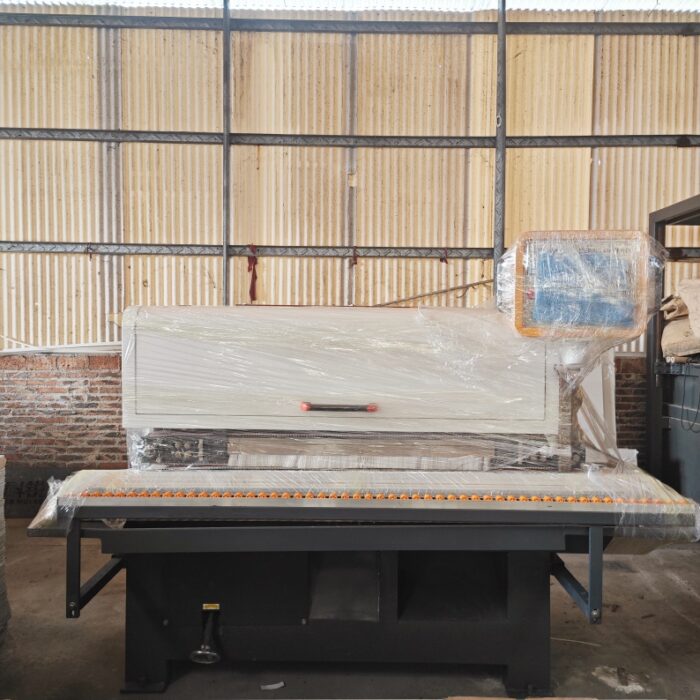
| Machine | Tile chamfering machine / beveling machine |
| Grit Range | 80#, 100#, 120#, 150#, 180#, 220#, 240#, 280#, 320#, 400#, 500#, 800# |
| Service | OEM / ODM supported |
Available Grit Grades
80#
100#
120#
150#
180#
220#
240#
280#
320#
400#
500#
800#
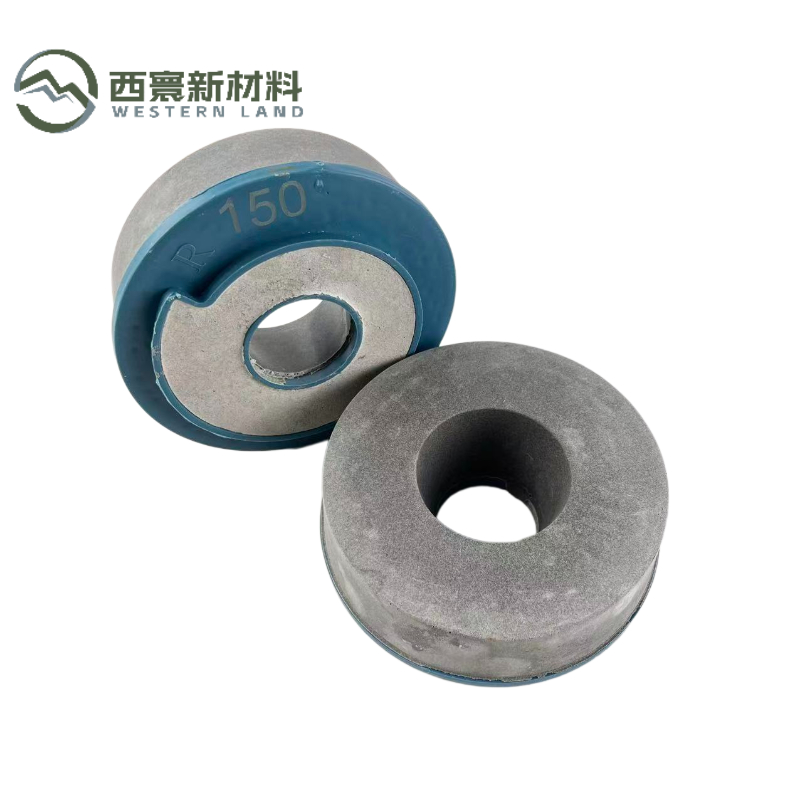
Reading the grit table: Lower number = coarser, cuts faster (80# removes stock fastest and is used for the heavy cut-down pass). Higher number = finer, smoother finish (800# gives the finest, most delicate bevel). The 320# grade highlighted above is the most commonly specified working grade for a final 45° chamfer on glazed tile. Do not run coarse grit on a glazed edge as the last step — that is exactly how glaze chipping happens.
 The practical result: the chamfer is finished at the right angle, the surface is smooth enough for the grout to bond cleanly, and the glaze edge survives intact. That combination is what makes the joint read as a crisp, straight, professional line instead of a chipped, dirty, uneven gap.
Why Silicon Carbide and Not Diamond for This Job
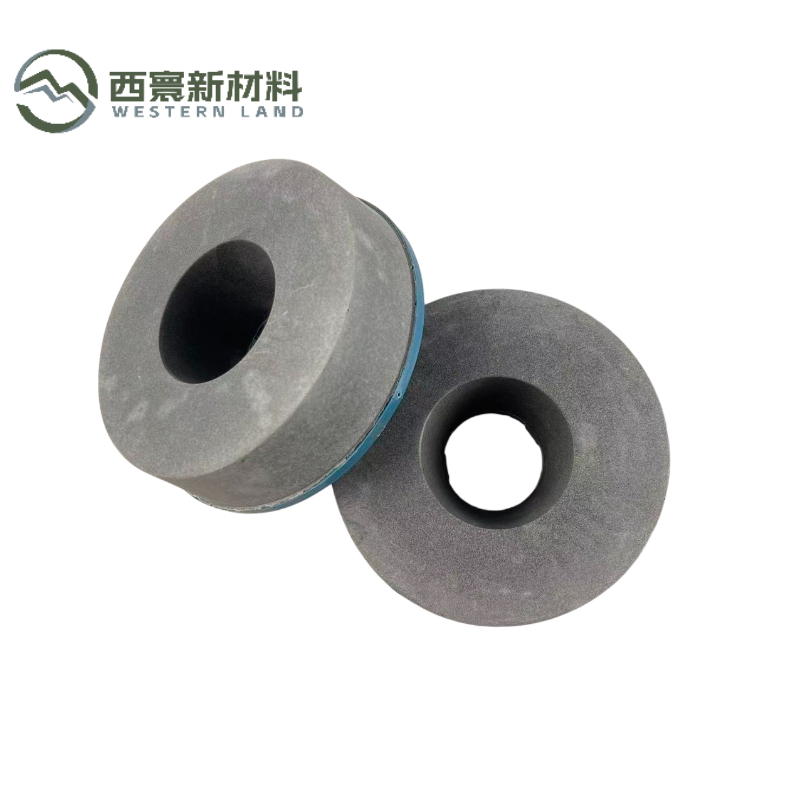
It seems counterintuitive — diamond is harder than silicon carbide, so why not use diamond for a tile edge? The answer is about how the abrasive interacts with a brittle glaze layer, not about raw hardness:- Diamond on glassy glaze is too aggressive. Diamond fractures the glaze into shards rather than shearing it — you get the chipping this product is specifically designed to prevent.
- Silicon carbide is a “soft, sharp” abrasive. It is friable, meaning each grain breaks down during use and exposes a fresh sharp edge. That gives it a controlled, self-sharpening cut that shears the glaze cleanly instead of hammering it.
- It runs cooler in resin. For a wheel whose whole job is a delicate finish rather than maximum stock removal, the gentler, cooler, more controlled cut is exactly the right behaviour.
How to Get the Best 45° Chamfer
- Squaring first, always. A chamfer is the last edge operation. If the tile has not been squared, the bevel will not be at a true 45° and every tile will be different. The Y6 and Y3 are specified for chamfering after squaring.
- Keep it wet, all the way. Water is what prevents glaze burning and thermal micro-cracking. Dry chamfering on glazed tile will chip it.
- Use 320# or finer for the final pass on glaze. Coarse grit on the last pass is the direct cause of edge chipping. Save 80#–220# for the Y3 cut-down.
- Check the bevel on every batch, not every shift. Lay a straight edge against the 45° and check with a feeler gauge. Consistency is what the installer and the end buyer actually sees.
Recommended Applications
- 45° chamfering of ceramic tile edges — the primary use, for clean V-groove grout joints
- Full-body porcelain tile edge beveling
- Polished-glazed tile 45° edge preparation
- Matte / soft-gloss tile chamfering
- Glazed vitrified tile edge mitring
- Tile factories producing 100,000–1,000,000+ m² of chamfered tile per month
- Ceramic tile processors preparing edges for grouting and installation
- OEM private-label for tile machinery builders and consumable distributors
Pair With Other Western Land Tools
The chamfering step is the last one before grouting, and it only works if the edge was squared properly first. Western Land Tools supplies the whole chain:Contact us for full line specs Resin Bond Diamond Chamfering Wheel Dry Squaring Diamond Wheel Segmented Diamond Squaring WheelFor background on silicon carbide as an abrasive, how abrasive grades are specified, and how friability affects cutting behaviour, see this external reference on silicon carbide and its use as an abrasive material.Frequently Asked Questions
Is wet grinding required?
Yes, always. Grinding a glazed tile edge generates heat, and heat on a glassy glaze causes thermal micro-cracking and burning that may not be visible until installation. Water cools the contact zone, carries debris away, and prevents the wheel from loading up. Dry chamfering on glazed tile will chip it — always run wet.Which grit should I use for the final 45 degree chamfer?
For a final pass on a glazed edge, use 320# or finer. The grit range runs 80# through 800#. The coarse grades (80#–220#) belong on the Y3 cut-down pass. Running coarse grit as the last step on a glazed edge is the direct cause of edge chipping — which is exactly what this product is designed to prevent.Does the chamfering wheel need to be sized for my machine?
The Y3 and Y6 chamfering wheels are supplied in standard machine sizes, and the grade is what you specify. Send us your chamfering machine model and the tile thickness you run and we will confirm the correct setup and the grit combination for your line. Contact us for machine matching.Can I use a diamond chamfering wheel instead?
You can, and the resin bond diamond chamfering wheel is a legitimate tool — but it behaves differently. Diamond is harder and more aggressive on a glassy glaze, so it fractures the glaze into shards rather than shearing it, which raises the chipping risk. Silicon carbide is the deliberate choice for a delicate, low-damage edge finish on ceramic. Compare with the resin bond diamond chamfering wheel if you need a different cut behaviour.Do you offer OEM / ODM for chamfering wheels?
Yes. Western Land offers full OEM / ODM: custom grit sequences, matched Y6 + Y3 pair production, private-label printing, and bonded warehouse programs for tile machinery builders and consumable distributors. Contact us with your tile type, thickness, and monthly volume.Need a quote for them, or a custom grit setup for your line?
Send us your chamfering machine model, tile type and thickness, and monthly volume — we’ll spec the correct grade combination and respond within 24 hours. Contact Western Land Tools →